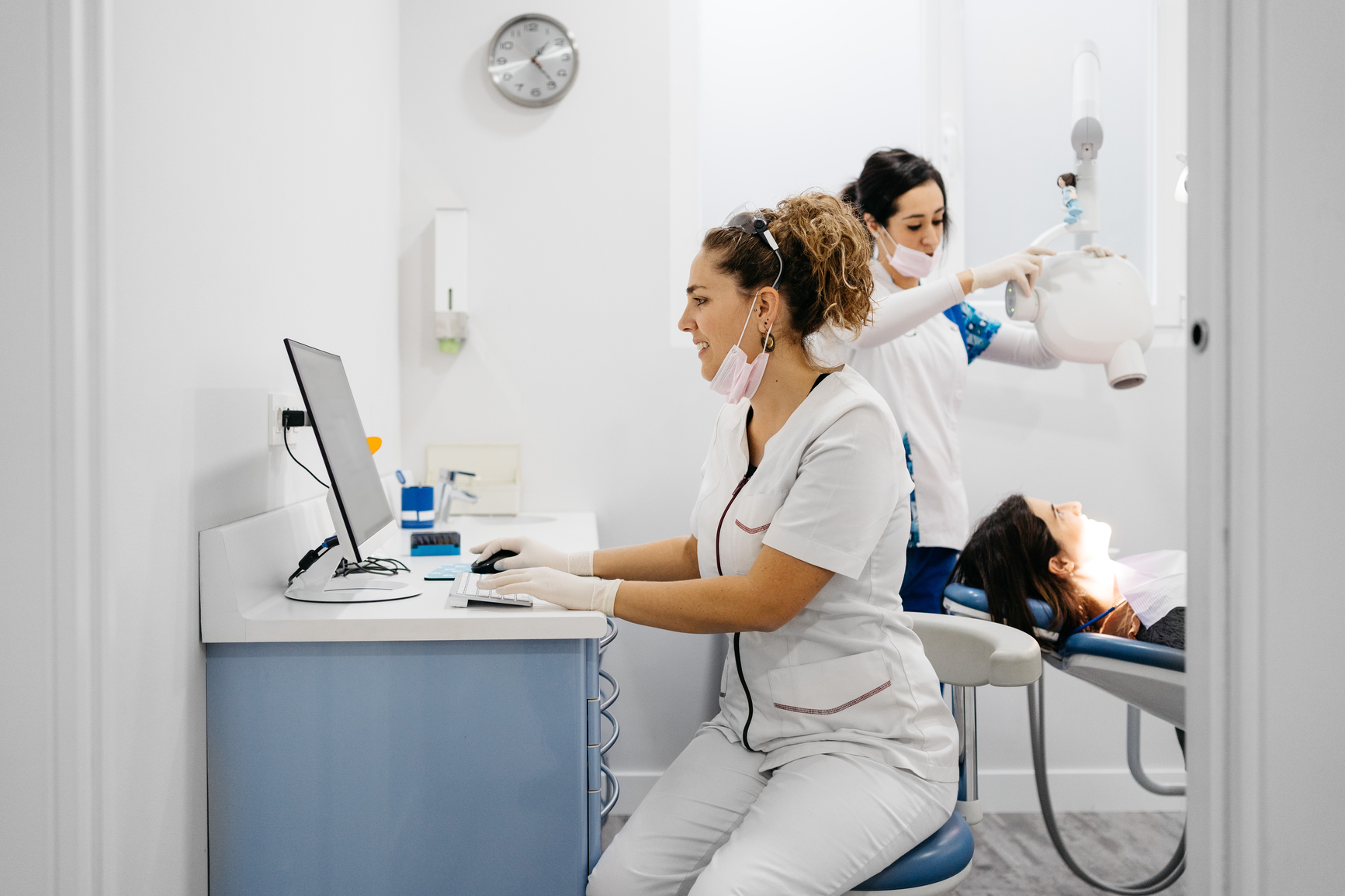
How Top Dental Teams Prepare For Tomorrow, Before Leaving Today
In many oral healthcare practices, preparation for the next day doesn’t begin until the first patient arrives.
Schedules are reviewed in the morning. Insurance questions are checked at the front desk. Notes are shared in the moment. And while teams work hard to stay on top of everything, the result often feels rushed, reactive, and unpredictable.
But the highest-performing practices don’t operate this way.
They prepare for tomorrow before they leave today, and that single shift changes everything.
Preparation Doesn’t Belong in the Morning Rush
The morning is one of the busiest moments in any practice:
- Phones are ringing
- Patients are arriving
- Providers are getting started
- Last-minute changes are happening
Trying to prepare for the entire day in that window creates unnecessary pressure. Important details can be missed. Conversations feel rushed. Teams start slightly behind and spend the rest of the day catching up.
Top practices understand that preparation works best when it happens before the day begins. Here are 3 simple, practical steps you can take to start preparing for tomorrow before leaving today.
Step One: Review Tomorrow’s Schedule From Anywhere
Leading teams don’t wait to walk into the office to understand what’s ahead. They review the next day’s schedule ahead of time, often from home or at the end of the previous day.
They look for:
- Patient volume and appointment types
- New patients or complex procedures
- Gaps, overlaps, or scheduling bottlenecks
- Opportunities to optimize chair time
This early visibility allows office managers and providers to mentally map the day before it even starts.
And when the team walks in the next morning, there are fewer surprises and more control.
Step Two: Identify Coverage and Financial Considerations Early
One of the most common disruptions to the practice day is late financial or insurance information.
When coverage details or patient balances are identified too close to the appointment, it creates awkward or rushed conversations, delays at check-in or checkout, and uncertainty for both staff and patients.
Top-performing practices shift that work earlier.
They identify:
- Patients with outstanding balances
- Cases where insurance coverage may need clarification
- Opportunities to prepare for financial conversations
By handling this the day before or multiple days before, teams reduce friction and create a more confident, transparent experience.
Step Three: Align the Team Before the Day Begins
Preparation isn’t just about information; it’s about alignment.
The best teams walk into the office already knowing:
- Which patients need extra attention
- What conversations may come up
- Where potential risks or delays exist
This transforms the morning huddle from a reactive conversation into a quick confirmation of a plan that’s already in place.
Instead of figuring things out on the spot, the team is already aligned and ready to execute.
What This Looks Like in Practice
When teams prepare ahead of time, the difference is noticeable immediately:
- The front desk speaks with confidence
- Providers know what to expect before patients arrive
- Clinical staff move seamlessly between appointments
- The entire day feels calmer, more predictable, and more efficient
Preparation doesn’t eliminate challenges, but it ensures they aren’t surprises.
How Sensei Cloud Apps Supports Next-Day Preparation
This level of preparation depends on one key factor: access to the right information at the right time.
Sensei Cloud Apps makes it possible for teams to prepare for tomorrow, before they even leave today, by extending core practice workflows into the cloud.
With Sensei Cloud Apps, practices can:
- Review schedules from anywhere, without being tied to the office
- Use Morning Huddle views to see patient details, flags, and priorities in one place
- Surface insurance coverage and benefit information ahead of appointments
- Identify financial considerations early and prepare for conversations
- Add notes for providers or the team before the day begins
Because this information is accessible outside the office, preparation becomes proactive, not compressed into the morning rush.
The Outcome: Walking In Ready, Not Reactive
The difference between reactive and prepared practices isn’t effort, it’s timing.
When preparation happens earlier:
- Mornings are calmer and more focused
- Patients experience smoother, more confident interactions
- Teams spend less time scrambling and more time executing
And perhaps most importantly, everyone starts the day with a clear understanding of what’s ahead.
Prepare For Tomorrow, Today
Preparing at the end of the day may feel like a small shift, but it has an outsized impact.
Because when the right information is available, and the team is aligned ahead of time, the next day doesn’t feel rushed.
It feels intentional.
And that’s what sets top dental teams apart.